Robocalls in New York are regulated by federal (TCPA) and state (NYSPSC) laws, prohibiting automated calls to registered numbers without consent. Consumers can sue for damages under TCPA, documenting calls is crucial for legal action. New Yorkers should report unsolicited calls, use call-blocking apps, and consult consumer protection attorneys for recourse like "Can I Sue For Robocalls New York."
In today’s digital age, our phone lines are often plagued by unwanted robocalls, causing frustration and concern across New York and beyond. These automated calls, often advertising or soliciting, can be a nuisance and even pose security risks. Understanding how to document these experiences is crucial, especially when considering legal action – Can I Sue For Robocalls New York? This article provides an authoritative guide on effectively tracking and recording robocalls, empowering New Yorkers to protect their privacy and take informed steps, including potential legal recourse. By the end, readers will have a comprehensive toolkit to navigate this modern challenge.
Understanding Robocalls in New York: Laws & Regulations

In New York, robocalls are regulated by state and federal laws designed to protect consumers from aggressive or deceptive telemarketing practices. The Telephone Consumer Protection Act (TCPA) and the New York State Public Service Commission (NYSPSC) play pivotal roles in governing these calls. Understanding these regulations is crucial for documenting and addressing unwanted robocalls effectively.
Under the TCPA, businesses are prohibited from making automated or prerecorded calls to telephone numbers listed on the National Do Not Call Registry. This law also permits consumers to sue for damages if they receive such calls, with potential compensation for each violation. In New York, the NYSPSC enforces these rules and offers resources for consumers to file complaints against violators. Since 2016, when the TCPA was amended, consumers can even request that a court award them treble damages, meaning three times the amount of actual damages suffered, if they can prove the call was made with knowledge or willful negligence regarding the Do Not Call Registry.
Documenting robocalls is essential for several reasons. Firstly, it serves as evidence when filing a complaint with the NYSPSC. Secondly, it strengthens cases for potential legal action against violators, especially in instances where consumers can demonstrate significant distress or financial harm caused by repeated robocalls. Keeping detailed records, including call timestamps, caller IDs, and script fragments if possible, can significantly aid in these processes. By understanding their rights and the legal framework surrounding robocalls, New York residents can actively protect themselves and contribute to a more regulated telemarketing environment.
Documenting Call Details: What to Record
Robocalls remain a pervasive issue across New York and the United States, with many residents questioning their rights and options when it comes to these unwanted calls. If you’re considering taking legal action against robocallers, documenting your experiences is a crucial first step. Detailed records of each call can serve as compelling evidence in potential lawsuits—especially if you can demonstrate that these automated calls were made without your consent, a violation of the Telephone Consumer Protection Act (TCPA).
When documenting call details, focus on capturing specific information that paints a clear picture of the incident. Start with the date and time of each robocall received. Record the phone number from which the call originated; tools like Call History or caller ID can assist in this process. Note any unique characteristics of the call—for instance, if the call included an automated message or a live agent. Additionally, document any actions you took in response to the call, such as hanging up, blocking the number, or returning the call.
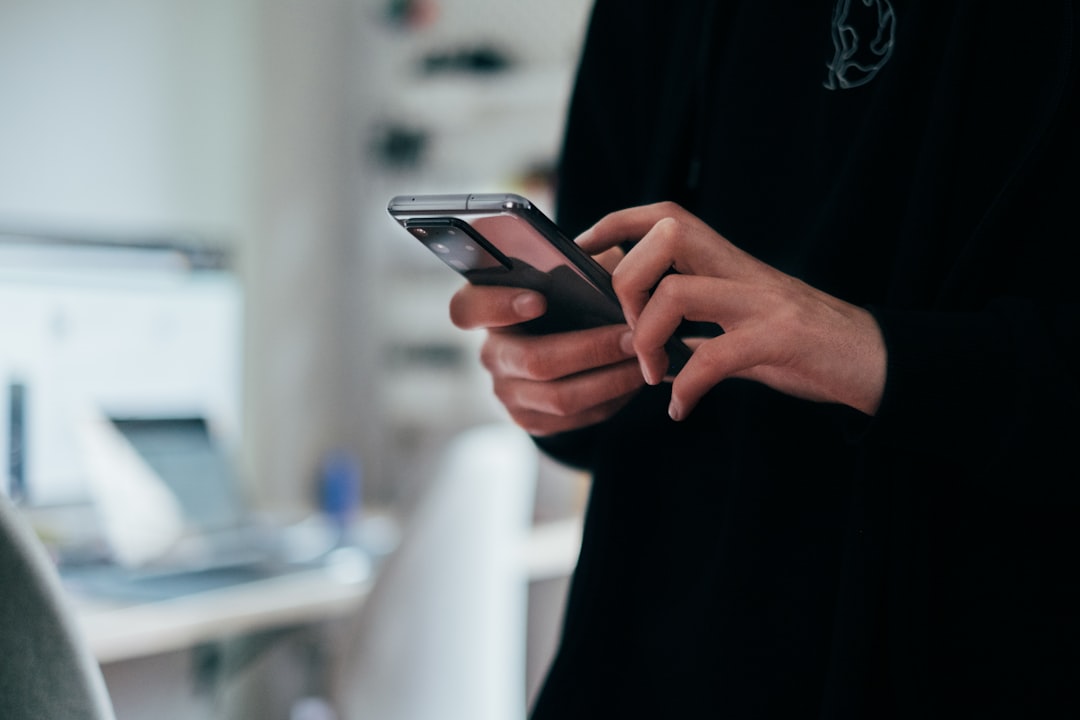
Audio recordings of the calls themselves can serve as powerful evidence. Many smartphones offer voice recording features that allow you to capture clear audio snippets. Even if you can’t sue for robocalls New York based solely on these recordings, they can be invaluable in building a case with other documentation. Remember, however, that consent is key; ensure you have legal permission to record any conversations before doing so. Furthermore, keep detailed notes on any follow-up interactions or attempts to contact the caller, including dates, times, and outcomes. This comprehensive approach will enable you to present a robust case if you decide to explore legal avenues against unwanted robocalls.
Legal Options: Can I Sue For Robocalls NY?
In New York, as in many states, robocalls have become a pervasive nuisance, with scammers and telemarketers leveraging advanced technology to reach consumers en masse. While these automated calls may be frustrating and often illegal, there are legal options available for New Yorkers who have been subjected to unwanted robocalls. One significant question that arises is: Can I sue for robocalls in New York?
The Telephone Consumer Protection Act (TCPA) provides a robust framework for consumers to protect themselves against excessive or abusive phone calls. This federal law prohibits automated dialers from calling numbers on the National Do Not Call Registry and requires prior express consent for prerecorded or artificial messages. If your rights under the TCPA have been violated, you may be able to take legal action. New Yorkers have successfully sued companies for damages incurred due to unwanted robocalls, including harassment, invasion of privacy, and emotional distress.
To explore your legal options, start by documenting each instance of a robocall received in New York. Keep records of the date, time, and content of the call, as well as any identifying information about the caller. This evidence can be crucial in supporting a claim. Consulting with an attorney specializing in consumer protection law is also advisable. They can provide tailored advice based on your specific situation and help determine if a lawsuit against the robocallers is feasible. Remember, understanding your rights and taking proactive steps can make a significant difference in combating this growing problem.
Taking Action: Protecting Your Rights & Future Steps

Documenting your experiences with robocalls is a crucial step in protecting your rights as a New York resident. If you’ve been disturbed or harassed by automated phone calls, it’s important to take action. The first step is to gather evidence—note down the caller ID, date, and time of each call, along with any messages left. Save these records as they can be vital in identifying recurring patterns and potential violators.
Once you’ve documented your encounters, consider reporting the robocalls to relevant authorities. In New York, the Attorney General’s Office provides a mechanism for consumers to file complaints against unwanted phone calls. This not only helps law enforcement track down perpetrators but also serves as a deterrent for other potential violators. Remember, Can I Sue For Robocalls New York is a legitimate concern; under state laws, unsolicited telemarketing calls are generally prohibited, and excessive or harassing robocalls can be grounds for legal action.
For more robust protection, explore consumer reporting agencies and credit monitoring services. These platforms can help you track your call history and identify any unusual activity on your phone bill. By staying vigilant and proactive in documenting and reporting these calls, you contribute to a safer digital environment. Additionally, consider using call-blocking apps or enrolling in the National Do Not Call Registry to curb future robocalls. These measures empower you to take control of your communication experience and ensure that your privacy is respected.