
Documenting robocall incidents is crucial for legal action in New York, where strict laws against unwanted telemarketing apply. Record caller details, messages, date/time, duration, and actions taken. Collect data to identify patterns supporting lawsuits, which can award significant compensation. Keep a log of occurrences and harm caused as powerful evidence. Understand your rights under the TCPA; consult specialized attorneys for legal options. Reporting robocalls to authorities helps combat intrusive calls, potentially aiding in successful prosecutions and reducing unwanted calls. Document financial losses or emotional distress for relevant legal evidence. Reach out to local law enforcement via dedicated hotlines. Your report could enable you to Can I Sue For Robocalls New York based on state laws prohibiting deceptive practices and unauthorized use of personal information.
In today's digital age, unwanted robocalls have become a pervasive nuisance, affecting millions across New York and beyond. With each ring, frustration mounts, and the potential for financial harm or identity theft looms large. Understanding your rights and knowing how to share your experiences is crucial in combating this growing issue. If you're asking yourself, "Can I sue for robocalls New York?"—you're not alone. This article provides a comprehensive guide on navigating the process of sharing your robocall encounters and explores legal avenues available to New Yorkers affected by these relentless calls. By the end, readers will be equipped with valuable insights to protect themselves and empower others.
Documenting Robocall Incidents in New York

Documenting robocall incidents is a crucial step in understanding and addressing the problem, especially when considering if you can sue for robocalls in New York. In New York, as in many states, there are strict laws against unwanted telemarketing calls, including those from automated systems or robots (robocalls). To protect consumers, state laws empower individuals to take action against violators, and proper documentation is key to this process.
When a robocall occurs, jot down essential details immediately after the call ends. This includes the caller's phone number, which can often be obtained from your call display or by contacting your service provider. Record any specific messages or offers made during the call, as these could serve as evidence of deceptive practices. Note down the date, time, and duration of the call. If possible, record the calls for future reference; however, ensure compliance with local laws regarding audio recording consent. Additionally, document any actions taken in response to the robocall, such as blocking the number or reporting it to your service provider.
Collecting data on robocall incidents can help identify patterns and even support legal action if you decide to sue for robocalls in New York. The Federal Trade Commission (FTC) receives numerous consumer complaints about robocalls annually, providing valuable insights into prevalent scams and violators. Keep a log of all robocall occurrences, including any personal or financial harm caused by the calls. This detailed record can be powerful evidence when filing a complaint with regulatory bodies or pursuing legal action against the caller. By maintaining thorough documentation, New York residents empower themselves to participate actively in combating unwanted and fraudulent robocalls.
Understanding Your Legal Rights: Can I Sue For Robocalls NY?

In New York, as across the nation, robocalls have become a pervasive nuisance, with many residents receiving unwanted automated phone calls daily. Understanding your legal rights regarding these calls is essential to protect yourself and take action when necessary. The Telephone Consumer Protection Act (TCPA) of 1973 provides significant safeguards against excessive or unsolicited robocalling, including restrictions on when and how companies can use automated dialing systems. If you've experienced repeated or unwanted robocalls, knowing your rights allows you to take proactive measures.
One crucial aspect to consider is whether you can sue for robocalls in New York. The TCPA allows individuals to seek legal recourse against companies that violate its provisions. If a business has intentionally or negligently made unsolicited calls using automated technology, victims may be entitled to compensation. Court decisions and settlements have established substantial financial awards for those affected by excessive robocalling. For instance, in 2021, a class-action lawsuit resulted in a $15 million settlement for consumers across the country who received illegal robocalls from a particular telemarketing company. This underscores the potential for significant financial restitution.
To explore legal options, New York residents can consult with consumer protection attorneys specializing in TCPA cases. These experts can guide individuals through the process of filing complaints with regulatory bodies and potentially pursuing litigation. Documenting your robocall experiences—including call records, timestamps, and any relevant conversations—is crucial for building a solid case. By understanding their rights and taking informed action, New York residents can combat the annoyance of robocalls and contribute to a more accountable telemarketing landscape.
Sharing Your Evidence Effectively with Authorities
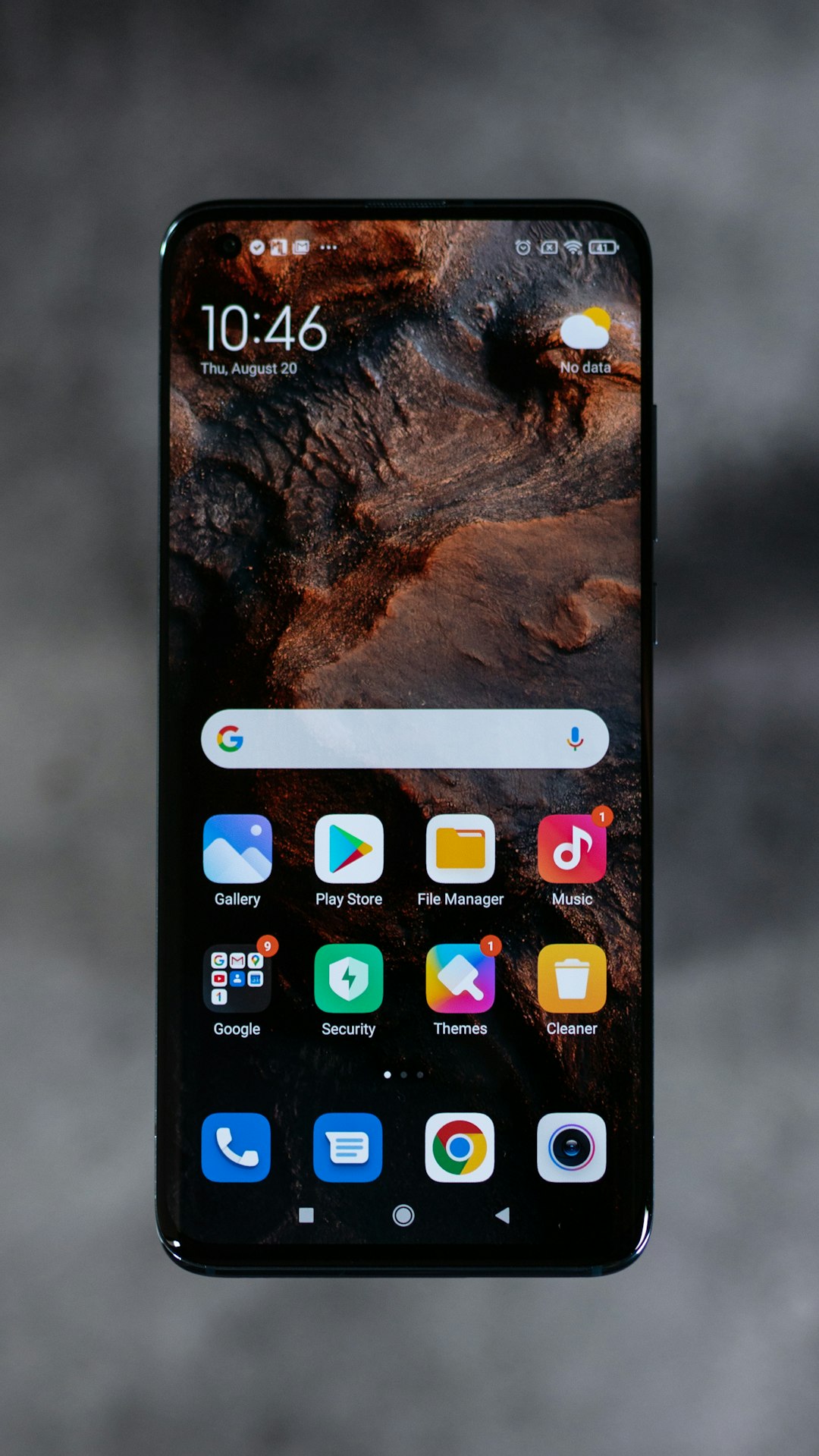
In New York, sharing your robocall experiences with authorities can play a crucial role in combating these intrusive phone calls. The first step is to gather evidence, such as recordings of the calls, call logs, and any written notes about the interactions. These details are essential when reporting the issue to law enforcement or regulatory bodies like the Federal Trade Commission (FTC). The FTC actively investigates and takes action against companies engaging in illegal robocalling practices, and your evidence can strengthen their case.
When sharing your evidence, clarity and organization are key. Prepare a comprehensive report detailing each incident, including dates, times, phone numbers, and a transcription of the conversation if possible. This level of detail enables authorities to analyze patterns and identify recurring offenders. Additionally, consider documenting any financial losses or emotional distress caused by these calls, as this can be relevant in potential legal actions. In New York, you may have grounds to sue for robocalls under state laws prohibiting deceptive practices and unauthorized use of personal information, especially if the calls violate your privacy rights.
To maximize the impact of your report, reach out to local law enforcement agencies or consumer protection divisions within the Attorney General's office. They can guide you through the process and provide specific instructions on submitting evidence. Many areas in New York have dedicated hotlines for reporting robocalls, ensuring a swift response from authorities. Your proactive approach could contribute to successful prosecutions and help curb the issue of unwanted robocalls in your state.